
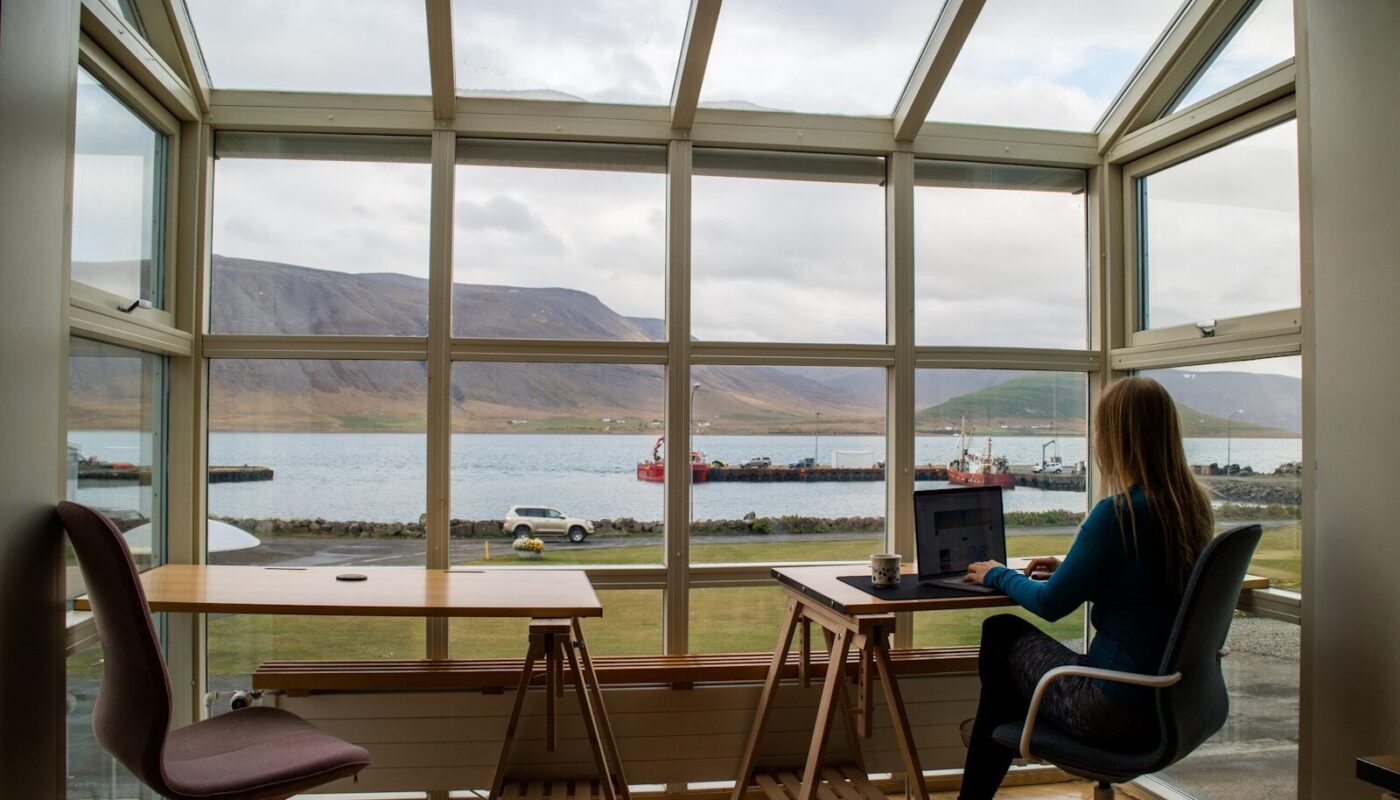
The typical work-from-home routine has changed for many workers. Businesses like Google and Microsoft have adopted a hybrid model that allows employees to face-to-face or work from home on an as needed basis.
As great as this transition has many advantages such as ease and convenience it also has created many new issues that can negatively impact your physical health as well as mental health and the balance between work and personal life. Employees have difficulty with long periods of sitting, being inactive, inconsistent meal schedules, and not having defined boundaries between home life.
Relaxed boundaries can lead to burnout when work spills over into off-work hours.
Building Strong Daily Routines
Strong Routines Include: Establishing a solid routine is not about being ridged with rules but rather about being consistent but flexible. It should help you manage your energy levels throughout your day while allowing for breaks and alteration.
A well-established routine will help with having better focus and lessen stress because when your body and mind are used to knowing what to expect, then you can perform to the best of your ability without feeling overwhelmed.
Everyday To-Do’s
- Consistent time of waking up and going to bed
- Pre-planning meals and split breaks
- Doing simple physical movement at beginning of day
- Clearly define start and end hours for working
- Create boundaries for between work and personal time
Ergonomics and Workspace Setup
- Straight back with appropriate support
- Moist monitor at eye level
- Comfortable chair with armrest support
Long-Term Benefits of Using Ergonomics
Changing your physical workspace to an ergonomically improved configuration may reduce the likelihood of developing long-term health issues as well as promoting increased productivity. When your setup supports your posture and comfort, your ability to stay focused improves over extended periods of time.
Managing Screen Time and Digital Fatigue
Work is done with the exception of the occasional non-screen related activity with either communication or productivity, all occur using technology (e. g. email, meetings, & tasks), which can potentially lead to long-term damage (driving through your desktop with eye fatigue or tension). Therefore, taking steps to address it can kick start your efforts to manage it.
Simple Ways to Reduce Digital Fatigue
- Using a blue light filtering app or glasses
- Be active around your home – working from home generally means you do less physical activity in your day because you do not have to commute or walk between your workspace/office
Staying Active While Working From Home
Some Movement Options for Staying Active. Sometimes working remotely alone can make us feel lonely with not very many chances for face-to-face contact.
Supporting Mental Wellness
Simple habits i. e. deep breathing or short meditative sessions may bring about calmness and clarity. Mental wellness can be affected by the workplace.
Managing Stress and Burnout
Managing Stress & Burnout. One of the major mistakes made is skipping meals due to a hectic schedule.
Slowly establishing boundaries and scheduling your hours while working at home will help to create an understanding of what hours you will be working with your coworkers. Having boundaries with regards to texting off the job is essential to achieving good benefits from texting.
Creating Clear Work Boundaries
When you build a designated work environment at home it reinforces these boundaries. You want your mind to be able separate ‘work’ from ‘home’ when you’re in both spaces.
This becomes second nature to your brain once you’ve been working in the same location consistently for an extended period of time. Set Clear Working Hours By creating clear working hours, it becomes much easier not only stay on task at work, but also relax completely after work.
Setting Work Hours and Shutdown Routine
Sticking to a clear end time for your workday creates good time management practices while eliminating the likelihood of having overtime. Making sure your team knows your working hours helps everyone respect these boundaries.
Clear expectations lead to less interruption at work and therefore you can maintain an effective and productive workflow without feeling overwhelmed. By creating a “shutdown” routine, (i. e. creating your list of tasks for the following day) you will begin to develop a habit of shutting your mind off to work when you leave your job.
Maintaining Social Connections
The provision of social relationships contributes to your emotional well-being, therefore maintaining a social relationship with your team and friends is critical even when working remotely. Therefore, creating the opportunity to reach out to your co-worker(s) for some casual conversation besides work will foster strong team unity.
Balancing Work and Social Life
Setting regular times to participate in social activities through team-building or personal activities will create life balance through the use of maintaining social connections that will ensure you do not feel isolated, while working independently at home.