
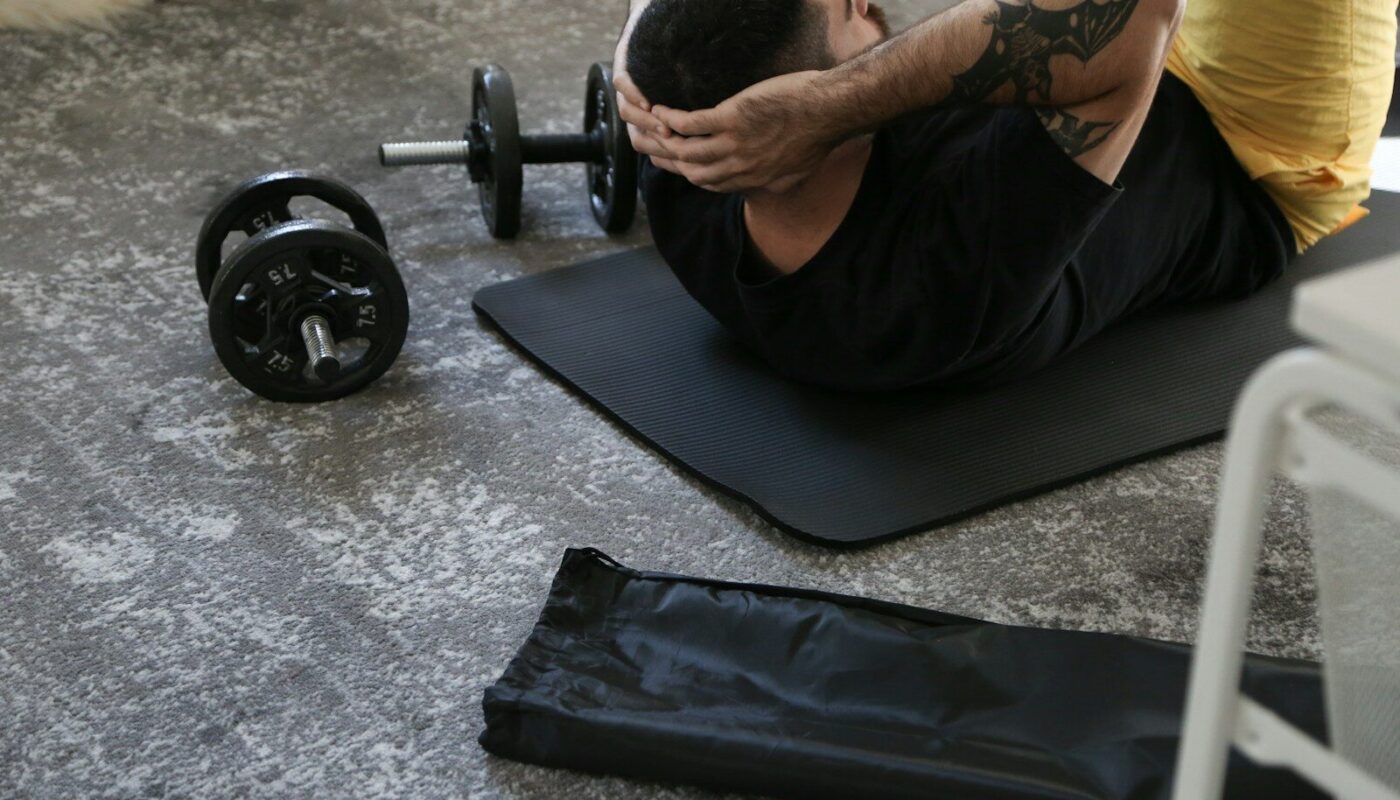
Cost and Accessibility Advantages
One of the biggest barriers that beginners have to getting started with exercise is the high costs of gym memberships, personal trainers, and fitness equipment. With at-home workouts, you will incur no costs and can use the many free workouts available online (such as through Nike Training Club) to complete guided fitness routines without spending any money.
At-home workouts are very accessible; whether you live in an apartment or a house, you will be able to find a small area to exercise, making fitness available for individuals irrespective of their age or fitness level. Building Confidence First By starting at home, your confidence will be built before venturing into a more complex fitness environment.
Building Confidence First
You will be able to practice your movements, learn your body, and develop your coordination without being judged. Your foundation will develop over time.
Consistent from day 1 Create a routine that feels comfortable. As you become confident, you can choose to stay with home workouts or try going to a gym later on.
How To Create A Home Workout Space
Do your best not to have clutter in your workout space, as it create a distraction and inhibit movement. If you can, maintain a separate area for working out, different from the areas you relax in or sleep in; this will help give your mind a reason to connect that area with exercise and self-discipline.
Creating a Habit Supporting Environment
When your environment supports your goals, it is easier to have consistent habits. You should have your workout equipment readily available for when it’s time to work out.
There are also lots of YouTube channels such as FitnessBlender that provide workout routines that can contribute to your motivation.
Bodyweight Training
Bodyweight training allows you to progressively develop your muscles and gain stability without having to lift heavy weights too soon.
Why Work on the Foundation
- Improves muscle endurance; Increases flexibility/mobility
- Establishes a solid fitness foundation
- Decreases the risk of injury
Many organizations (like the American Council on Exercise) encourage warm-up prior to engaging in any physical exercise.
Workout Structure
Using this format, you can begin building strength through a 20-25 minute routine three to four times per week, which gives you an adequate amount of recovery time, while continuing to progress; during this phase, consistency is more important than intensity, so keeping your routine simple and manageable until you feel comfortable pushing yourself harder.
Example Exercises
- Squats
- Push-ups
- Lunges
- Plank
- Jumping jack
Execution Format
- You can perform the above-mentioned exercises last 30-40 seconds each
- With little to no rest in between
- For two to three rounds total
Progression and Safety
- As you become stronger, you can gradually increase the number of repetitions or the working time during each exercise
- Cult.Fit and Pamela Reif encourage progressive overload or add difficulty over time
- Focus on correct technique over speed
- Reduce the frequency/duration of your breaks between sets of exercises
- Stay well hydrated and breathe smoothly during your workout
- If you begin to feel overly fatigued, reduce the number of circuits you are doing instead of quitting
Consistency and Habit
In “Atomic Habits“, the author James Clear explains that small daily actions will yield more success than irregular large actions, thus if you adapt this mindset, you will still able to progress toward your goals regardless of your overall lack of motivation at present. Having a designated time to workout can help make it easier to be consistent in adhering to your workout plan.
Tracking Progress
You may measure your progress by counting repetitions, timing your exercise(s), or recording your plank hold times. Another form of measuring improvement is taking your photo every few weeks.
Motivation Through Tracking
Improvements made through exercise can take time and are not always obvious day to day; by having a photo to compare your physical form against will give you the opportunity to assess your progress visually. Tracking your progress also creates an opportunity to know that you have made achievements.
This can motivate you to continue working toward achieving your goals, as well as encouraging you to continue to work out when you feel no longer motivated to do so. Additionally, you will see how your progress leads you to establish new goals for yourself.
Tracking Tools
- Google Fit
- Hand-written journal
Summary
Many new people who start out with small goals typically achieve better results than bigger goals because they don’t lose their commitment quickly. It is very common for us to not see our bodies or fitness progress very quickly or even at all in the beginning.
One intent of this workout program is to provide you with longterm health and wellness, not just short term fitness; therefore, creating your routine around what you enjoy most and are able to do for an extended period of time is more important than any other time-based goal.